











Best Creams for Skin: Your Ultimate Guide to Hydration and Care
When it comes to skincare, choosing the right cream can make all the difference. Whether you have dry, oily, sensitive, or combination skin, the market is flooded with options claiming to be “the best.” In this guide, we’ll break down everything you need to know about creams, including types, benefits, and expert recommendations. By the end, you’ll be equipped to pick a cream that works perfectly for your skin type.
You can explore a wide range of creams here.
What Is a Cream and Why Is It Important?
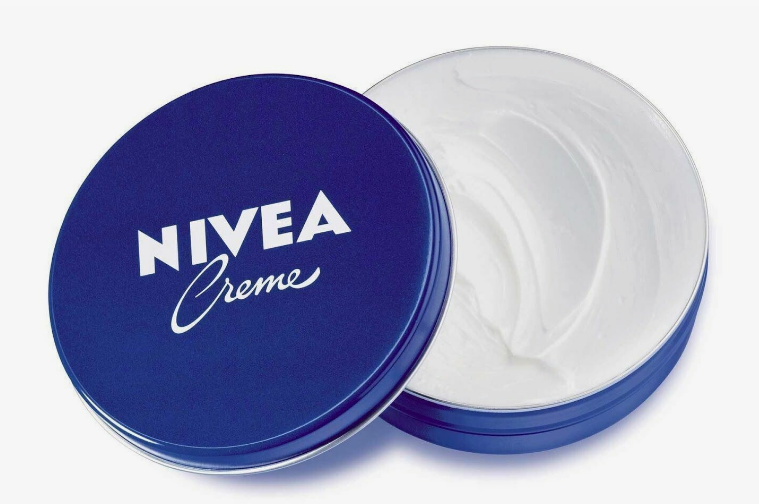
A cream is a topical skincare product designed to hydrate, nourish, and protect the skin. Unlike lotions, creams have a thicker consistency and are excellent for providing deep moisture. They form a protective barrier on the skin, locking in hydration and preventing dryness.
Benefits of Using Creams:
Hydration: Keeps skin soft and supple.
Protection: Shields skin from environmental damage.
Repair: Supports skin regeneration and healing.
Anti-aging: Reduces fine lines and wrinkles with consistent use.
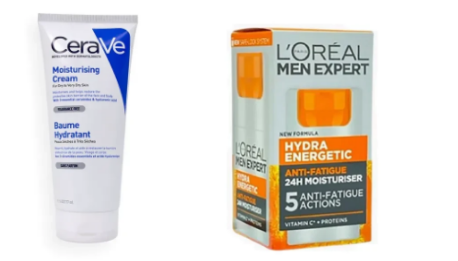
Example: A cream like CeraVe Moisturising Cream for Dry to Very Dry Skin is enriched with ceramides and hyaluronic acid to repair and hydrate very dry skin effectively.
Types of Creams
Choosing the right type of cream depends on your skin concerns and lifestyle. Here’s a breakdown of the main types:
Example: L’Oreal Men Expert Hydra Energetic Anti Fatigue Daily Moisturiser targets tired skin, reducing dark circles and puffiness with caffeine and vitamins.
How to Choose the Right Cream for Your Skin Type
Dry Skin: Look for thick, oil-based creams with ceramides and hyaluronic acid.
Oily Skin: Choose lightweight, non-comedogenic creams with salicylic acid or gel-based formulations.
Combination Skin: Opt for creams that balance moisture, focusing on hydrating dry areas without clogging pores.
Sensitive Skin: Use creams with fragrance-free and hypoallergenic formulations, avoiding harsh chemicals.
Tip: Always do a patch test before fully applying a new cream to ensure no irritation occurs. You can search for specific creams suitable for your skin type on Bizzplants.
Top Ingredients in Creams and Their Benefits
The effectiveness of a cream largely depends on its ingredients. Here are some must-know components:
Hyaluronic Acid: Retains moisture, plumping the skin.
Ceramides: Strengthen the skin’s barrier and prevent water loss.
Glycerin: Draws moisture to the skin, keeping it hydrated.
Vitamin C: Brightens skin and reduces pigmentation.
Retinol: Boosts collagen production, reducing wrinkles.
Shea Butter: Nourishes and softens dry skin.
Aloe Vera: Soothes irritation and redness.
Example: A cream containing both hyaluronic acid and ceramides is ideal for deeply hydrating and repairing dry or damaged skin.
Daily Cream Application Tips
Proper application can enhance the benefits of your cream. Follow these tips:
Cleanse First: Always start with clean skin.
Apply Moderately: Use a pea-sized amount for the face.
Pat, Don’t Rub: Gently pat the cream into the skin to boost absorption.
Layering: Apply lighter creams first and thicker ones later if layering.
Consistency is Key: Apply twice daily for best results—morning and night.
Pro Tip: Combining moisturizing creams with sunscreen during the day ensures hydration and protection.
Creams for Specific Skin Concerns
1. Anti-Aging Creams
Reduce fine lines and wrinkles with ingredients like retinol, peptides, and antioxidants.
Example: Olay Regenerist Micro-Sculpting Cream helps firm the skin and boost elasticity.
2. Brightening Creams
Target dullness and uneven skin tone with vitamin C and niacinamide.
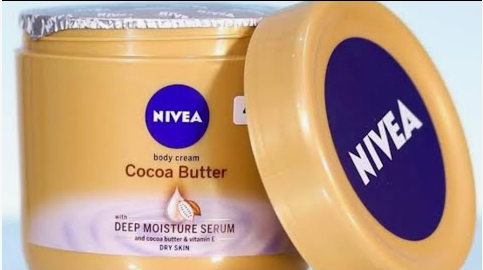
Example: Nivea Bright Radiance Cream improves luminosity over time.
3. Soothing Creams
Ideal for sensitive skin or irritation, often enriched with aloe vera or chamomile.
Example: Aveeno Skin Relief Moisturising Cream calms redness and dry patches.
4. Men’s Skincare Creams
Focus on hydration, anti-fatigue, and protection from environmental stressors.
Example: L’Oreal Men Expert Hydra Energetic Anti Fatigue Daily Moisturiser reduces dark circles and tiredness.
Common Mistakes When Using Creams
Even the best creams can underperform if misused. Avoid these mistakes:
Over-applying cream: More doesn’t mean better; it can clog pores.
Skipping SPF: Night creams don’t replace sunscreen.
Not considering skin type: Using the wrong cream can worsen dryness or oiliness.
Ignoring expiry dates: Expired creams can cause irritation.
Not cleansing before application: Dirt and oil reduce effectiveness.
DIY Cream Alternatives
For those who prefer natural solutions, you can make simple creams at home:
Coconut Oil + Aloe Vera: Hydrates and soothes dry skin.
Shea Butter + Vitamin E: Anti-aging and moisturizing properties.
Oatmeal + Honey: Calms irritation and nourishes sensitive skin.
Note: Always patch test DIY creams as natural ingredients can still cause allergies.
Price vs Quality: Do Expensive Creams Work Better?
Not always. High price doesn’t guarantee effectiveness. Focus on active ingredients and formulation rather than brand reputation. Affordable creams like CeraVe Moisturising Cream can be just as effective as luxury options if they contain the right ingredients.
How Often Should You Change Your Cream?
Skin changes with age, climate, and lifestyle. Consider adjusting your cream if:
You move to a drier or colder climate.
Your skin becomes oily or drier with seasonal changes.
You notice new skin concerns, like fine lines or pigmentation.
You switch skincare routines or introduce active ingredients like retinol.
Tip: Always read labels and gradually introduce new creams to avoid irritation.
Conclusion
Choosing the right cream is more than just picking a product off the shelf. Understanding your skin type, concerns, and key ingredients ensures you get the best results. Whether you are looking for hydration, anti-aging, brightening, or soothing effects, there’s a cream designed to meet your needs. Remember, consistency and proper application are just as important as the product itself.
By investing time in understanding creams, you can maintain healthy, glowing, and well-nourished skin all year round. Explore more products and guides at Bizzplants.
FAQs About Creams
1. How do I know if a cream suits my skin?
Do a patch test and monitor for irritation over 24 hours. Check if your skin feels hydrated and comfortable.
2. Can I use multiple creams together?
Yes, but layer from lightest to heaviest and ensure ingredients don’t conflict (e.g., retinol with strong acids).
3. Are natural creams better than chemical-based creams?
Not necessarily. Both can be effective; focus on ingredients that target your skin concerns.
4. How long before I see results from a cream?
Most creams show improvements in 2-4 weeks, depending on the skin issue and ingredients.
5. Can men use the same creams as women?
Absolutely. Men’s creams may target specific concerns like anti-fatigue, but general moisturizers work for both.
Recent Posts



Complete Skin Care Guide 2025: Best Routine, Products, and Tips for Glowing Skin



Contacts
-
Address
80 Cambridge Heath Road, London, United Kingdom, E1 5QJ
-
Phone
+447429587150
-
Email
My Account
-
Address
80 Cambridge Heath Road, London, United Kingdom, E1 5QJ
-
Phone
+447429587150
-
Email